


Have you ever caught yourself making decisions that don’t quite feel like yours? Maybe you hesitate to take an exciting job across the country, break an unhealthy pattern, or change your beliefs—even though you know it would be good for you. If this sounds familiar, you may be experiencing something powerful but often hidden: unconscious loyalty within your family system.
Understanding unconscious loyalty
Unconscious loyalty is a subtle psychological bond that can keep us tied to our family’s values, beliefs, suffering, and even limiting behaviors, often without fully realizing it. It usually comes from an innate drive to belong, show love, or maintain harmony with those who raised or surrounded us. Although these loyalties may look like devotion or support, they sometimes keep us stuck.
"Some loyalties are so silent we only notice them when we try to let go."
We find, for example, adults who feel conflicted about surpassing their parents in career success, or children clinging to family traditions that don’t match their true identity. According to studies with adolescents in disrupted family systems, strong undercurrents of family loyalty can even shape our behaviors in ways that affect mental well-being.
Where unconscious loyalty comes from
We see unconscious loyalty expressed in a variety of situations:
- Repeating family patterns of behavior, even when these cause personal pain
- Staying emotionally “close” to a parent by holding onto their struggles
- Internalizing beliefs about money, relationships, or health simply because “that’s how it’s always been”
- Feeling guilty for wanting or achieving something a family member could not
The roots of unconscious loyalty are often deep. Family experiences like loss, trauma, strong cultural expectations, and even systems like language or marriage create powerful emotional currents. Qualitative studies of families coping with loss and stepfamily dynamics show how children and adults try to remain loyal not only to living relatives, but to deceased parents and inherited legacies.
How unconscious loyalty shows up
Repeating family pain
One striking way that unconscious loyalty appears is through what we like to call “mirroring pain.” Imagine a woman who grows up watching her mother struggle with anxiety. She might unconsciously develop similar patterns herself, as if to stay joined in her mother’s world. This connection feels like love or support, but it can also mean repeating suffering.
Loyalty conflicts in blended families
Blended families in particular can bring loyalty struggles into the open. Research into stepfamily relationships highlights the pressure children feel to divide loyalties between biological parents, step-parents, and sometimes even deceased parents. These dynamics may appear as acting out, withdrawal, or ongoing grief that is hard to move through.
Strict adherence to cultural values
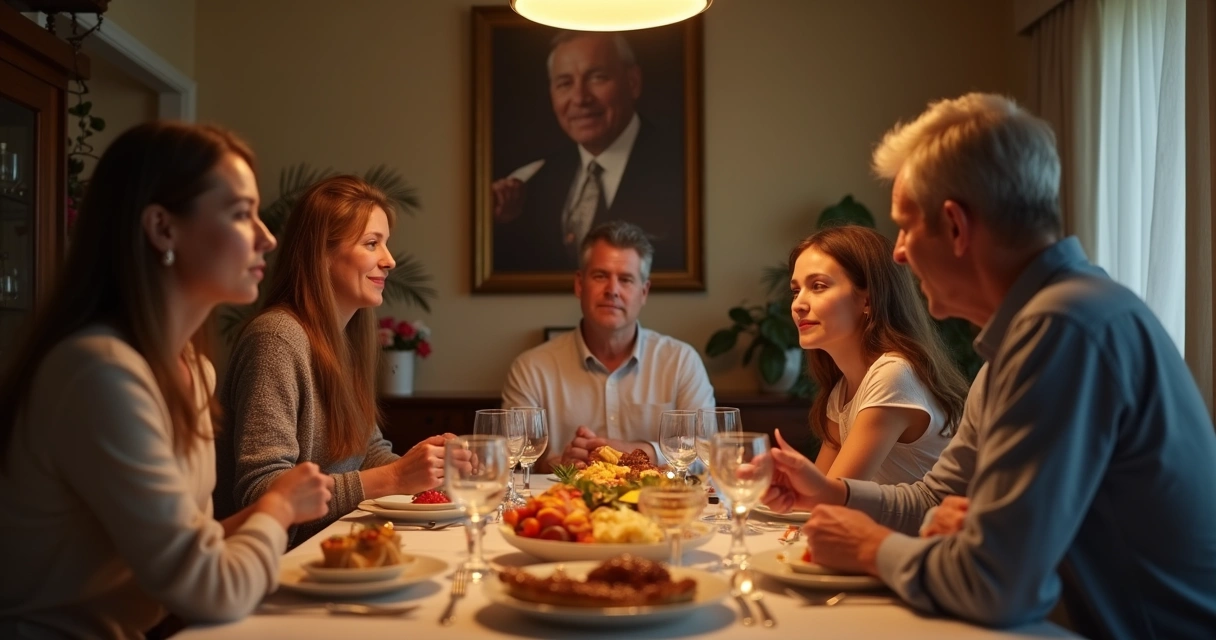
Cultural traditions also play a key part. Studies on collectivist cultures and mate choice point to family loyalty as a potent force that can both support and limit our choices. While family closeness can strengthen relationships, strong parental influence may lead to inner conflict or prevent growth in other areas.
Inherited beliefs and “family rules”
Every family has unspoken rules—beliefs about gender roles, career paths, or emotional expression. These rules are often passed down from one generation to the next, maintained by invisible threads of loyalty. For example, in one study from India, spousal prioritization reflected deep layers of family loyalty, influencing agency and well-being for women within nuclear families.
Common signs of unconscious loyalty
Recognizing unconscious loyalty isn’t always straightforward. We may only notice it when a deep sense of “should” or guilt appears as we try to change. Here are some practical signs to look for:
- Repeated self-sabotage or difficulty maintaining success
- Feeling guilty or anxious about achieving things that ancestors did not
- Persistent internal blocks when trying to set boundaries with family
- Aligning with family views, even when they contradict personal experience
- Hiding or minimizing your achievements to avoid standing out in the family
- Difficulty in choosing a partner or lifestyle out of concern for parental approval
- A strong urge to protect family secrets or avoid discussing painful family history
When we notice these tendencies, it’s often a sign that deeper loyalties are operating beyond our conscious awareness.
Why we stay loyal, even when it hurts
We stay loyal to our family, not because we must, but because on some level it feels safer than loss or conflict. This might seem illogical, but our nervous system is wired for connection. When family cohesion is threatened, as documented in research on adolescent mental health, we may try to repair the breach through self-sacrifice or internalizing family pain. Shame, fear of rejection, and the desire for love keep these loyalties active—even when they block our growth.
"Our oldest loyalties are the hardest to see."
How unconscious loyalty limits growth
While loyalty itself is not a flaw, its unconscious side limits growth. It keeps us repeating stories and patterns that no longer fit our life. For some, this looks like remaining in a job or relationship that echoes old family struggles. Others may feel frozen at key moments of decision-making, unable to move forward. In the heritage language transmission studies in Pakistan, we see that family-driven loyalty preserves cultural identity, but the same kinds of loyalty can also stop individuals from forging new paths.
Steps to recognize and shift unconscious loyalty
In our experience, the process of seeing and shifting unconscious loyalty starts with awareness, honesty, and compassion. Here are several steps to begin:
- Reflect on repeating patterns: What beliefs, limitations, or pains keep recurring in your life? Is there a family story behind them?
- Notice guilt and resistance: When you try something new, do you feel guilt, shame, or fear of betraying someone?
- Listen to your self-talk: Are there “shoulds” that sound just like something a family member would say?
- Talk with trusted others: Sometimes, talking about your experiences with someone outside the family reveals hidden loyalties.
- Honor your roots while choosing your path: Loyalty is beautiful when conscious. You can acknowledge family influences and still make healthy choices.

Each step toward awareness frees us to stay connected to our family in healthier, more genuine ways.
Conclusion
Unconscious loyalty is a strong and often hidden part of our family systems. It shapes habits, choices, and even inner stories we tell ourselves. By noticing where we hold onto old patterns or feel held back by loyalty, we open the door to new growth and freedom. When we shine a light on these invisible bonds, we do not betray our roots; instead, we have the chance to honor them in new, healthier ways.
Frequently asked questions
What is unconscious loyalty in families?
Unconscious family loyalty is a hidden psychological attachment that influences us to repeat family patterns, follow family beliefs, or stay emotionally connected to family pain—often without our full awareness. These loyalties shape decisions and behaviors out of a deep need for belonging and connection, even when they limit personal growth.
How can I spot unconscious loyalty?
You might notice unconscious loyalty if you repeatedly sabotage your success, feel guilt for surpassing family members, struggle with boundaries, or hide your achievements. Reflecting on repeating life patterns, emotional reactions, and moments where guilt or resistance appears when making changes can reveal these hidden loyalties.
Why does unconscious loyalty happen?
Unconscious loyalty arises from our drive to belong and maintain harmony within our family system. It is reinforced by cultural traditions, family trauma, and the desire to support or stay “close” to parents and ancestors. These loyalties can develop as coping mechanisms in response to loss, separation, or strong expectations.
Can unconscious loyalty be harmful?
Yes, unconscious loyalty can sometimes keep us stuck in patterns that create pain, limit self-expression, or lead to cycles of self-sabotage. While loyalty is not negative in itself, when it remains unquestioned and unconscious, it may block growth and cause ongoing internal conflict.
How to overcome unconscious family loyalty?
Begin with gentle awareness of your patterns and emotional triggers. Reflect on areas where you feel blocked, guilty, or resistant to change. Seek honest conversations with trusted people, honor your family roots consciously, and choose new actions intentionally. With continued self-reflection, it becomes possible to keep loving connections while building your own healthy path.