


We live in times when complexity defines almost every part of organizational life. Companies grow. Teams diversify. Stakeholders multiply. Problems no longer have a clear beginning or an obvious end. Amidst all this, a powerful question emerges: How can organizations work with greater clarity and meaning, while actually caring about people, results, and the world?
Grow together. Not apart.
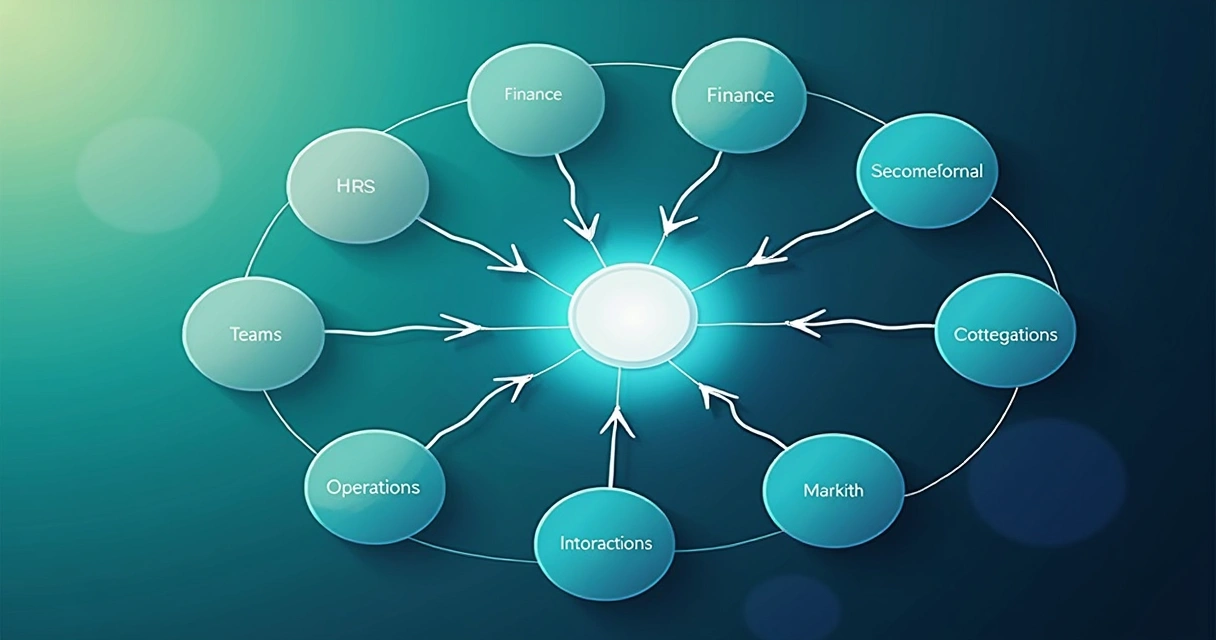
One approach that has gathered remarkable attention is the application of systemic consciousness models. These models don't just focus on optimizing processes or increasing numbers. They consider the organization as a living field—an interconnected network of minds, feelings, choices, and relationships, each shaping the whole in visible and invisible ways. In our experience, the journey toward collective awareness begins with a single decision: to see the system itself.
Understanding systemic consciousness in organizations
Systemic consciousness begins with one simple but profound realization: no one is ever truly isolated within a business. Departments, teams, and individuals are linked by shared histories, mutual aims, and even unspoken beliefs. When we see an organization as a system, we pay attention not just to what is being done, but to how everything influences everything else.
Let us picture a team struggling to meet a goal. The issue might appear to be a lack of skill, or perhaps poor communication. But sometimes, if we take a step back, we see that there are deeper forces at play: inherited conflicts, patterns copied from other places, or even systemic traumas that no one initially recognizes.
Systemic consciousness models aim to bring these hidden patterns to light. They weave together different fields of knowledge, like psychology, philosophy, and integrative thinking. What emerges is a way to work with both the visible and invisible elements that shape how people behave, decide, and grow.

Key elements of a systemic consciousness approach
We find that several main elements define a systemic consciousness model within organizations. Each plays a unique role in connecting people, purpose, and outcomes.
- Relations as foundations: Success, setbacks, and innovations are rarely the work of one person. They surface from relationships—between people, departments, and even the wider environment.
- Patterns and causes: Systemic models encourage us to spot cycles, triggers, and repeating stories, not just surface behaviors. We ask: What led us here?
- Purpose and meaning: When people understand how their work fits within a broader purpose, engagement and creativity rise—sometimes in ways that surprise everyone involved.
- Emotional maturity: Growth requires honesty. Systemic approaches call for emotional awareness, helping teams work through disagreements or fears that, left unchecked, would hold back real progress.
- Continuous dialogue: There is a focus on ongoing conversations, not just one-time interventions. This keeps the organizational "field" alive and adaptable.
So, systemic consciousness is not another set of rules. Instead, it is a different way of seeing, leading, and influencing reality together.
What practical changes do these models bring?
In our research and experience, systemic awareness creates change at many levels within organizations. Some are visible, like the way meetings are held. Others are quieter—yet just as powerful.
- Better collaboration: When people see themselves as part of a system, they are more likely to support each other. Walls between departments can soften. Individuals bring more of themselves to group efforts, and "us versus them" thinking loses ground.
- More meaningful leadership: Leaders who adopt systemic consciousness tend to listen more and instruct less. They begin to ask: "What patterns are emerging? How can I support the whole, rather than just the parts?"
- Healthier conflict resolution: Issues are addressed with an eye on the roots, not just the symptoms. Simple confrontations are replaced by curiosity about why certain challenges keep repeating.
- Resilience in uncertain times: Systems thinking helps organizations adapt when the environment shifts quickly. Because connections are clear, people feel less alone and more aligned in times of change.
- More lasting transformation: Instead of chasing after quick fixes, organizations work for sustainable growth. Change takes root because it is in line with the system's real needs—not just the loudest problems.
What often surprises people is this: systemic consciousness models do not require massive disruption to deliver results. Sometimes, a simple shift in attention—a willingness to see connections—creates ripple effects across the system.
Stories that show the impact
One example stands out from our work. We were invited to help a mid-size company that faced challenges with turnover and low morale. At first, leadership assumed the problem was about pay or workload. However, through systemic mapping, a pattern of unresolved conflicts between two founding families came to light. By supporting honest dialogue and systemic repair, trust grew. Participation rose. Within six months, retention improved and newer projects gained momentum.
In another case, a team was stuck in the habit of blaming other departments for missed deadlines. Through systemic reflection, they saw that communication tools were unclear and some roles needed updating. With clarity and shared responsibility, trust replaced blame, and the system found a new balance.
We have seen organizations recover from old patterns, foster innovation, and become healthier by embracing this broader view—one that values every voice in the system.
Benefits for organizations that choose systemic consciousness
Benefits are not measured only by numbers or short-term results. In our view, the changes run deeper, often shaping the organization’s culture for the better.
- People feel more valued and connected to the mission.
- Trust grows throughout the system, making it easier to solve problems together.
- Hidden issues surface, allowing them to be addressed before they grow.
- Change processes become smoother, because people understand why the changes matter.
- Ethical decisions become more natural, as everyone considers the broader impact of their choices.
Systems thrive when every part is seen.
We observe that once organizations taste the clarity, relationships, and courage offered by systemic consciousness, they rarely wish to return to the old, narrow ways of thinking.
Conclusion
Adopting systemic consciousness models can help organizations become more human, more effective, and more forward-thinking. The changes may begin with a small group or a single dialogue, but their ripple effects transform the whole environment over time.
By learning to see the whole system—its stories, patterns, and unseen links—we gain the power to build organizations that are lively, stable, and ready for future challenges. The benefits move beyond metrics, showing in the wellbeing of teams, the ease of transitions, and a sense of shared purpose that cannot be faked or forced.
It is possible to work in ways that lift everyone involved. Systemic consciousness models make this possible—not as a distant dream, but as daily practice.
Frequently asked questions
What is a systemic consciousness model?
A systemic consciousness model is a way of understanding and acting within organizations by seeing all parts as interconnected. This model values the influence of relationships, emotions, purposes, and histories. It helps people look beyond isolated issues and consider the bigger picture that connects everyone.
How do organizations use these models?
Organizations use systemic consciousness models by including practices such as team mapping, open dialogue sessions, and reviewing patterns of behavior across departments. These practices support the discovery of connections and causes that often go unnoticed, allowing for more aligned action and better resolution of challenges.
What are the main benefits for companies?
The main benefits are deeper trust, more effective teamwork, smoother change management, and the ability to address root causes of problems. These models can increase team morale, help retain talent, and make it easier for organizations to adapt in uncertain times.
Is it worth it to adopt systemic models?
In our observation, organizations that adopt systemic consciousness models report not only better results but also stronger cultures and more meaningful work environments. The benefits often extend beyond what leaders first expect, touching every level of the organization.
How can I implement systemic consciousness?
To implement systemic consciousness, start by encouraging open dialogue, honest reflection, and curiosity about patterns in your organization. Workshops, guided reflections, and involvement from leadership help bring the approach to life. Gradually, awareness and systemic thinking become part of the daily way of working.