
We have all faced the silence that sits before creation. For some, it feels like a wall. For others, an invisible fog. Creative blocks arise without warning and can linger, disrupting our daily experience at work, in art, and even in our relationships. In our research and with decades of practice supporting change, we believe that creative blocks are more than random obstacles—they are signs of deeper, often systemic, dynamics.
Understanding creative blocks
Creative blocks aren’t just a lack of ideas or sudden boredom. They can show up as resistance, self-doubt, tiredness, or even fear when staring at a blank page or new challenge. Sometimes, we know the reason: a tough day, stress, or lack of motivation. But much of the time, the roots are hidden and more complex.
Creative blocks often signal a mismatch between our internal state and the demands or expectations we place on ourselves.
In our experience, untangling these blocks starts by recognizing that creativity flows from our whole being—mind, emotions, and even our sense of meaning—rather than just from intellect or talent.
The real block is often not the lack of ideas, but a disruption in our connection with ourselves.
Systemic causes: Looking beneath the surface
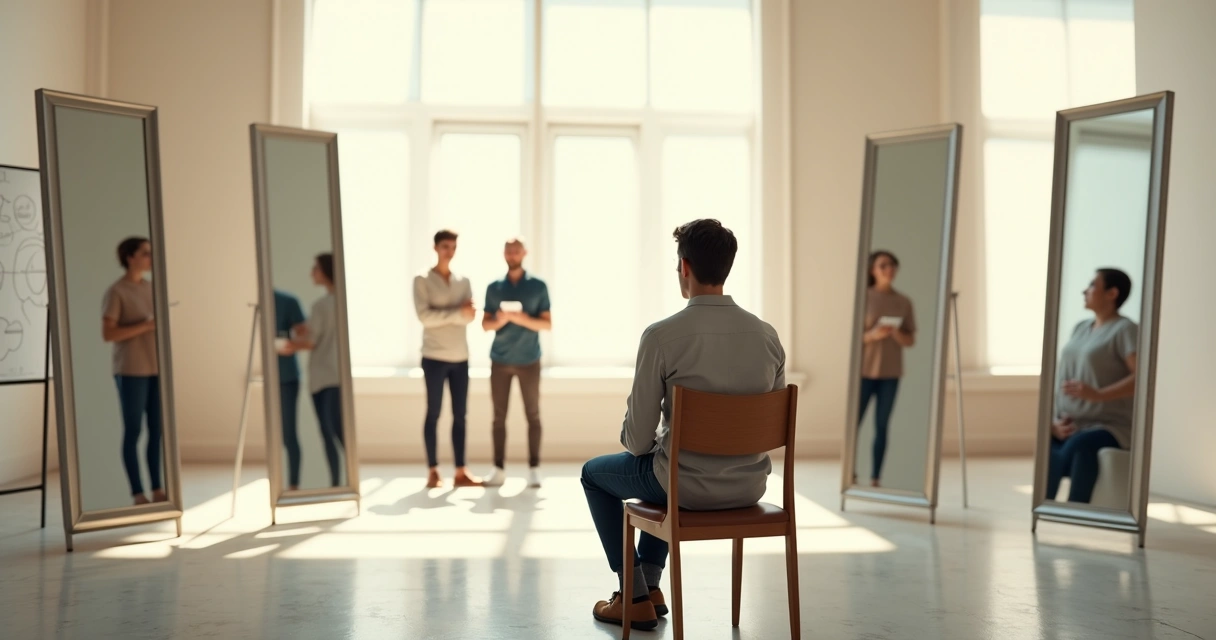
To understand creative blocks, we should look at the systems we belong to: family, work, society, and our own mind’s inner structures. Patterns emerge from these systems that shape how and when we create.
Personal history and emotional patterns
Early experiences with criticism, shame, or unmet expectations can form strong emotional patterns that resurface whenever we try to step into the unknown. If creativity was punished or mocked in childhood, that old pain can appear as a block in adulthood.
- Perfectionism rooted in early criticism can make starting something new feel impossible.
- Fear of judgment may have grown from family or school experiences.
- Unconscious beliefs about what is “good enough” can crush the creative impulse before it grows.
We often carry these patterns quietly for years, repeating old emotions in new contexts.
Systemic loyalty and invisible contracts
Even as adults, we carry invisible links to our family and social groups. Sometimes, we may sabotage our own creative efforts out of loyalty to people we care about—unwilling to outshine siblings, parents, or mentors. These hidden contracts show up as procrastination, sudden tiredness, or a sense of guilt about success.
Our creative freedom can be limited by the subtle agreements we make, often unconsciously, with people or groups from our past.

Societal expectations and roles
Our communities and cultures shape our views about what is creative, what is allowed, and what is risky. Social roles can unconsciously restrict us:
- Expecting conformity over innovation.
- Valuing logic above intuition or imagination.
- Dismissing certain arts or ideas as “not serious”.
When we internalize these messages, they build barriers. Over time, we may silence ourselves before anyone else does it for us.
The mind’s inner systems
Inside, we juggle competing parts: the dreamer, the critic, and the protector. When these parts are out of balance, creative energy gets stuck. If the inner critic dominates, fear sets in. If the protector keeps us from taking risks, fresh ideas vanish.
Sometimes, our biggest creative block is the voice inside that says, “Stay safe.”
Practical ways to release creative blocks
Recognizing systemic causes means we should go beyond quick tips. In our practice, we’ve seen that the most effective strategies work on many layers—body, emotion, mind, and environment. Here are practical steps for real change:
1. Make the invisible visible
Begin by naming the block. Write down how it feels. Is it fear, distraction, or guilt? If a certain situation triggers the block, describe it. Sometimes, the act of writing or speaking about it already starts the shift.
- Journaling about the first time you felt blocked or afraid to express yourself
- Drawing a picture or creating a collage to represent the “face” of the block
- Identifying which inner voice is the loudest: critic, dreamer, or protector
2. Shift your emotional state
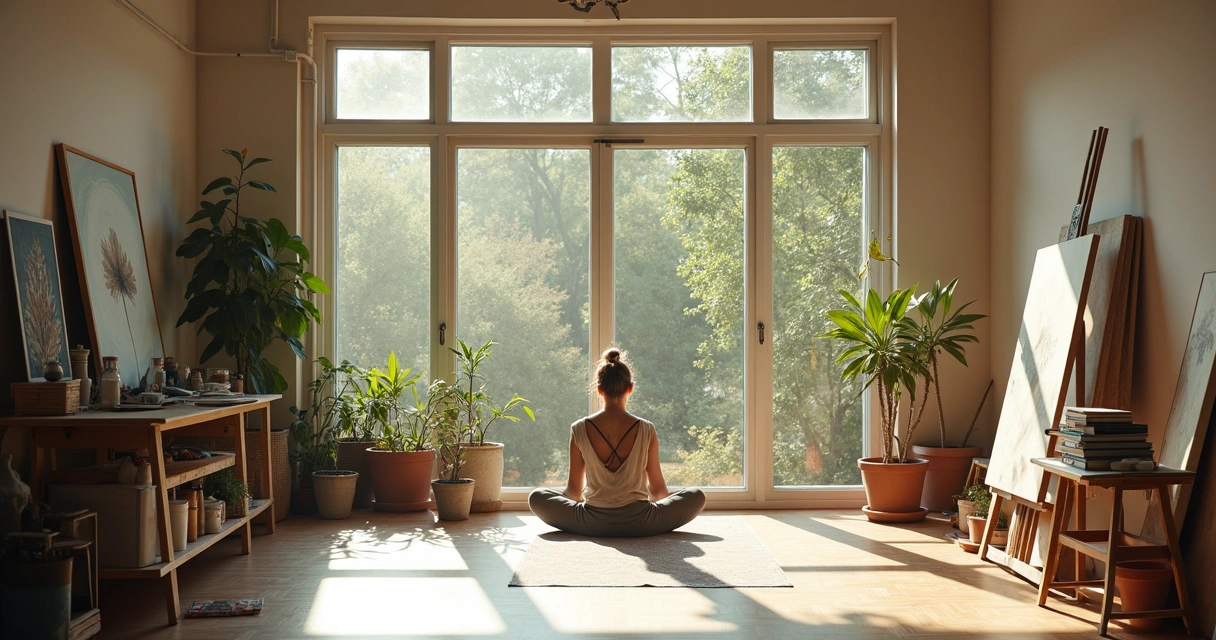
Creative flow returns more naturally when we feel safe and regulated. We can use mindful breathing, gentle movement, or even a change in scenery to support this shift. Try these:
- Take a walk outdoors—with attention on each step and breath
- Listen to instrumental music and let your attention rest on sounds and rhythms
- Apply gentle self-massage or mindful stretching to connect with your body
3. Question hidden beliefs and loyalties
Ask yourself: Whose approval do I need? What fear would I face if I succeed? Sometimes, we are waiting for unseen permission.
- Reflect on family phrases about work, art, or success: do they support or restrict you?
- Imagine talking with your inner critic—what does it want to protect you from?
- Experiment with giving yourself permission to try, even for just five minutes
4. Create space, not pressure
Blocks get stronger with pressure and judgment. Try letting go for a while. Set a short timer for playful, “bad” creativity. No goals. Just movement or color, or a stream of words.
- Use five-minute freewriting with no topic or rules
- Create with different materials—clay, paint, words, sounds
- Play a “what if?” game: imagine the wildest solution even if it seems silly
5. Honor cycles and limits
We’re not always meant to create at full volume. Our bodies and minds need rest. Blocks can signal the need for reflection or new input. When we accept our rhythms, creativity often returns.
- Take intentional breaks, not as escape, but as nourishment
- Change environments—a different room, a park, a café
- Absorb new experiences by reading, listening to stories, or having conversations
6. Work with others
Sometimes, fresh eyes and compassionate listening open new doors. Sharing a blocked experience with a trusted friend or group can highlight blind spots, offer encouragement, and spark new ideas.
- Join a creative circle or community
- Discuss your vision and doubts with someone supportive
- Invite feedback on unfinished work, focusing on curiosity rather than judgment
Conclusion: Moving beyond creative blocks
Creative blocks are a natural part of the growth process. While they may feel like walls, they are often signs that something deeper is asking to be seen or healed. By investigating the systems that shape us—our family, society, and our own inner worlds—we can unlock the power hidden within these obstacles.
Inside every block, there is a message and a new way forward.
When we honor our cycles, trust ourselves, and allow for rest and play, creativity becomes less about force and more about flow. The journey to unblock is itself an act of creation.
Frequently asked questions
What causes creative blocks?
Creative blocks can have many causes, including stress, fear of failure, perfectionism, unresolved emotional patterns, or the pressure of external expectations. Sometimes, they result from deeper systemic issues, such as family beliefs or social roles that limit self-expression.
How to overcome creative blocks?
We suggest starting by identifying what triggers the block, then shifting your emotional and physical state with mindful practices. This can include journaling, talking about your experience, engaging in playful or “bad” creativity, and taking breaks to recharge. Working with others and being gentle with yourself also helps break down barriers.
What are systemic causes of blocks?
Systemic causes of creative blocks include inherited beliefs from family, social pressures, and internalized roles or loyalties that create resistance to change or personal expression. These influences can be unconscious but have a strong impact on creativity and motivation.
Are creative blocks common for artists?
Yes, creative blocks are common for artists as well as anyone engaging in creative thinking. They can occur at any stage, regardless of experience, and are often linked to both personal and systemic factors. The key is to see blocks as temporary and workable, rather than as a personal flaw.
What are practical solutions for blocks?
Practical solutions include naming and describing the block, shifting emotional states with mindful practices, questioning hidden beliefs, taking playful creative risks, allowing for rest, and seeking support from others. The most lasting results often come when we address both inner patterns and the systems around us.