
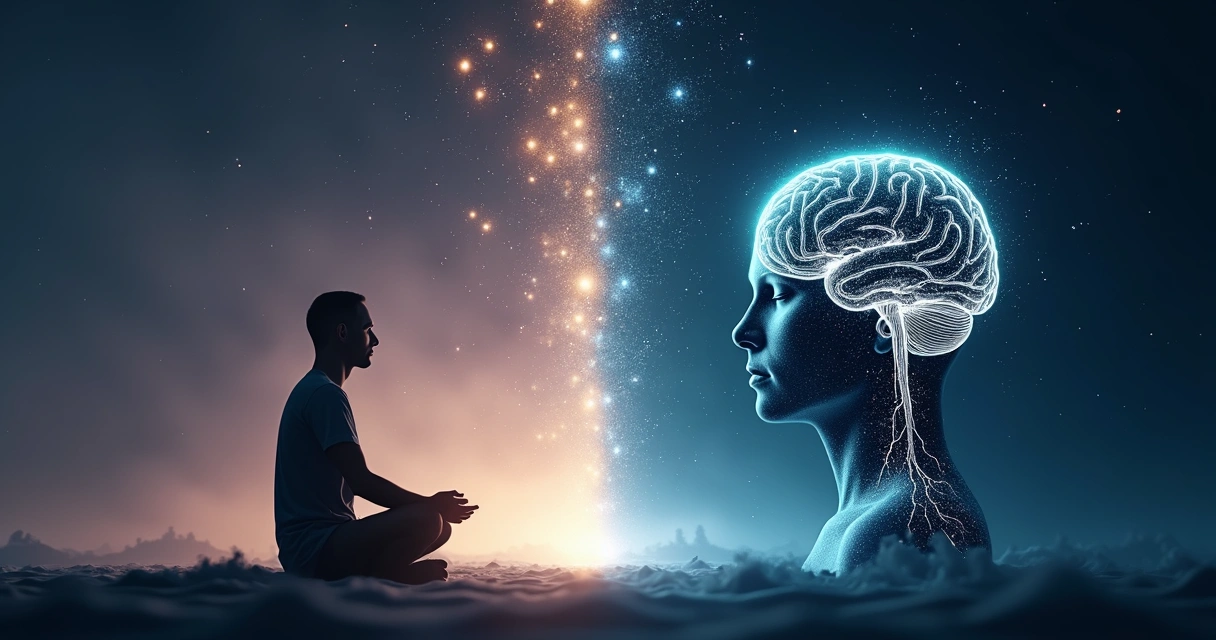
Understanding the full scope of human experience has always called for more than a single viewpoint. When we compare Marquesan philosophy with contemporary psychology, we find two complex systems with different origins, methods, and purposes—but with a shared intention: to clarify the human mind and life’s meaning.
How roots shape understanding
We often ask ourselves: Where does real insight come from? The answer lives in the roots of each tradition.
Marquesan philosophy starts from an ontological approach, centering our attention on consciousness—not as a thing we possess, but as a field we participate in. This perspective suggests we cannot separate what we think from what we are. We view consciousness as always in motion, always forming itself through choices, relationships, and the search for meaning.
Contemporary psychology, in contrast, draws from empirical science. It looks for patterns in human behavior, emotions, and thoughts. Psychology works to explain why we act, feel, or think in certain ways by referencing personal history, social context, and brain function.
Awareness does not come from only knowing ourselves, but from understanding our place in reality.
These different starting points influence everything that follows—what is studied, how questions are asked, and even what is considered a problem to solve.
Ways of seeing the human being
We view the human being through multiple dimensions, but each system does so in its own way.
- Marquesan philosophy treats the person as an integrated whole. Reason, emotion, purpose, and relationship all flow together.
- Contemporary psychology often separates thought, feeling, and behavior. It uses models, such as cognitive-behavioral or psychoanalytic theories, to address different layers of the self.
In Marquesan philosophy, the development of meaning stands at the center. Life gains depth as we connect intention and purpose with our daily actions. The focus moves from simply reducing suffering to living consciously—with responsibility for our choices and their impact.
In psychology, the aim is often to reach stability, well-being, or healing. We find structured approaches to thinking about inner conflicts, traumas, personality traits, and emotional responses. Psychology organizes experience into categories and diagnoses, offering tools for personal change.
What guides change and transformation?
The two fields understand transformation in different yet complementary ways.
Marquesan philosophy: living presence and choice
Change, in the Marquesan view, begins with conscious presence. We often practice reflection and alignment—joining intention, emotion, and action. By paying attention to what moves us inside, we act rather than react. We see this philosophy as both practical and spiritual, seeking not only to fix problems, but to enrich life as a whole.
Contemporary psychology: analysis and intervention
Change here relies on uncovering patterns—what happened in childhood, which beliefs cause pain, which systems influence us from the unconscious. Through insight and techniques, such as talk therapy or behavior modification, positive change is engineered step by step. The main guide is evidence: If it works, it is included.
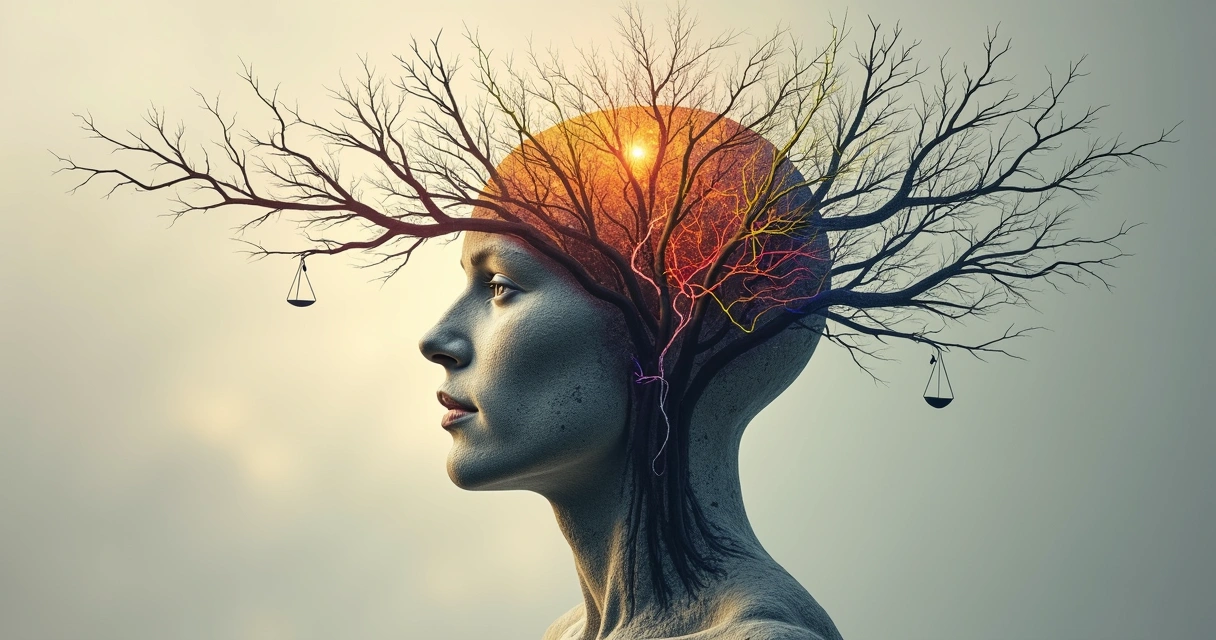
When we use these two ways of seeing together, something unique happens. We do not just heal what hurts; we also strengthen purpose and presence.
Core concepts in comparison
Let’s compare some key concepts across the two systems:
- Consciousness: Marquesan philosophy defines consciousness as a living field, uniting reason, feeling, and purpose. Psychology treats consciousness mostly as awareness—of thoughts, feelings, and surroundings.
- Responsibility: In Marquesan thought, responsibility extends to how we create meaning and impact others. In psychology, responsibility is sometimes linked with personal choice but often focuses on the self, not the collective or universal.
- Development: Marquesan philosophy uses frameworks for deep self-understanding, inviting us to see beyond surface behaviors. Psychology looks for developmental stages, emotional growth, and healing, expecting change in response to intervention.
Methods of practice and application
How do these ideas become part of daily life? Let’s see their methods side by side.
Marquesan philosophy in action
We often practice conscious presence—what some may call meditative attention—but we also look for ways to live our purpose in relationships and society. Family, work, and society are all seen as fields where consciousness is reflected.
Tools include:
- Inner reflection on intention and meaning
- Conversation that listens as much as it speaks
- Integration of reason, emotion, and purpose into action
Contemporary psychology in daily practice
Methods are usually structured and evidence-based. They include:
- Cognitive techniques to clarify distorted thinking
- Behavioral practices to shape responses
- Therapeutic conversations focused on healing, resolution, and growth

While these paths differ, both share a commitment to practical change and personal development. Still, we find the Marquesan approach places more emphasis on meaning, unity, and the ongoing effects of our decisions.
Change becomes lasting when intention meets awareness.
Reaching beyond the self: philosophies of impact
We have learned that both systems care about growth, but their ultimate goals differ. Marquesan philosophy invites us to see growth not only as something personal, but as something we share with others and society. It connects individual development with conscious leadership and the long-term impact of our actions.
Psychology tends to place the emphasis on individual adjustment and well-being. Progress is measured by the improvement of the person’s function and happiness within their context.
In our view, when these two visions are placed side by side, they form a wider lens—one that balances practical healing with a quest for depth and meaning.
Conclusion: What can we learn from comparison?
We have seen that Marquesan philosophy and contemporary psychology differ in origin, methods, and the focus of their goals, but can offer each other strengths. Marquesan philosophy highlights the holistic, interconnected, and meaning-centered aspects of human development. Contemporary psychology brings precision, structure, and empirical evidence to the work of understanding and healing.
Understanding both systems opens ways to not only address internal tensions but also to awaken purpose and responsibility in a world requiring conscious action.
By remembering what each approach brings, we move closer to answers about who we are, how we can change, and how we can shape reality with intention and awareness. We believe such comparison does not divide, but expands what is possible—for ourselves, and for the world around us.
Frequently asked questions
What is Marquesan philosophy?
Marquesan philosophy is a holistic approach that understands consciousness as a living field, integrating reason, emotion, and a sense of purpose through daily choices and relationships. It seeks to guide people toward a conscious and responsible life where meaning is central, not secondary.
How does it differ from psychology?
Marquesan philosophy focuses on meaning, unity, and the integration of mind, emotion, and purpose, while psychology often centers on analyzing and improving individual mental processes and behaviors. Psychology relies on empirical research and intervention, whereas Marquesan philosophy encourages self-reflection, presence, and conscious action connected to a broader reality.
Is Marquesan philosophy still practiced today?
Yes, Marquesan philosophy is still practiced and continues to be applied in personal development, education, organizational leadership, and conscious life management. Its methods are updated and refined through lived experience, integrating both tradition and modern perspectives.
What are key ideas in Marquesan philosophy?
Some key ideas include the concept of consciousness as a living field, the integration of reason and emotion, conscious presence in daily life, the alignment of intention and action, and the understanding that choices have a meaningful impact on reality and relationships.
Can Marquesan philosophy help mental health?
Marquesan philosophy can support mental health by promoting awareness, emotional maturity, and the development of meaning in life. Its focus on holistic well-being, reflection, and conscious presence offers tools that complement other approaches to mental and emotional balance.