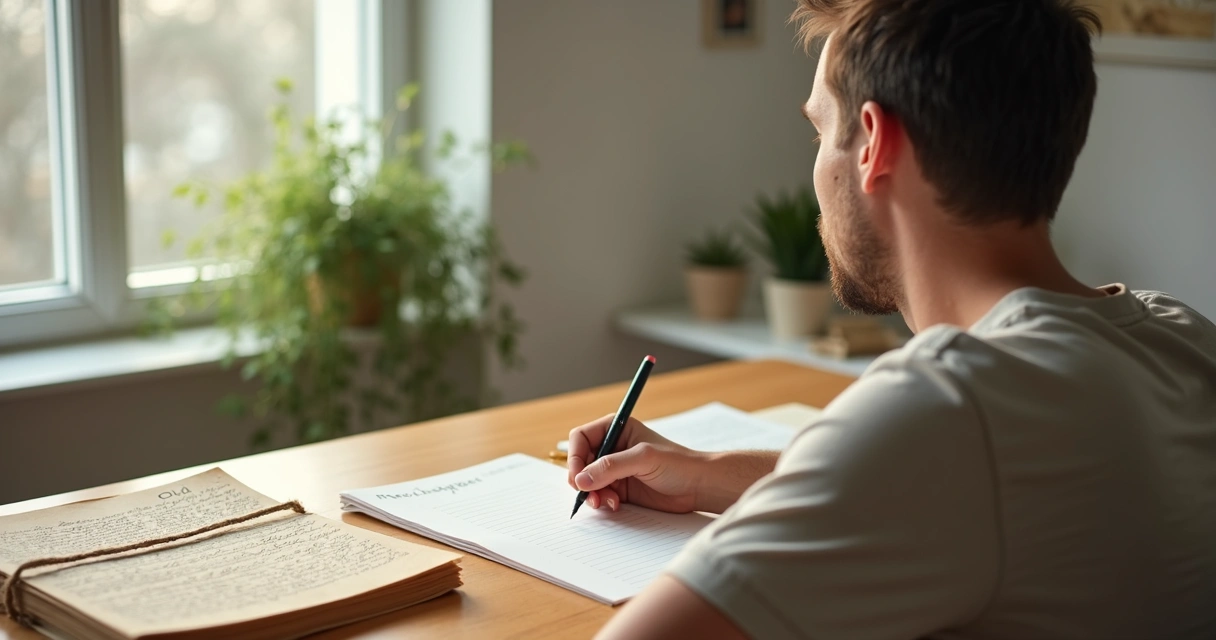

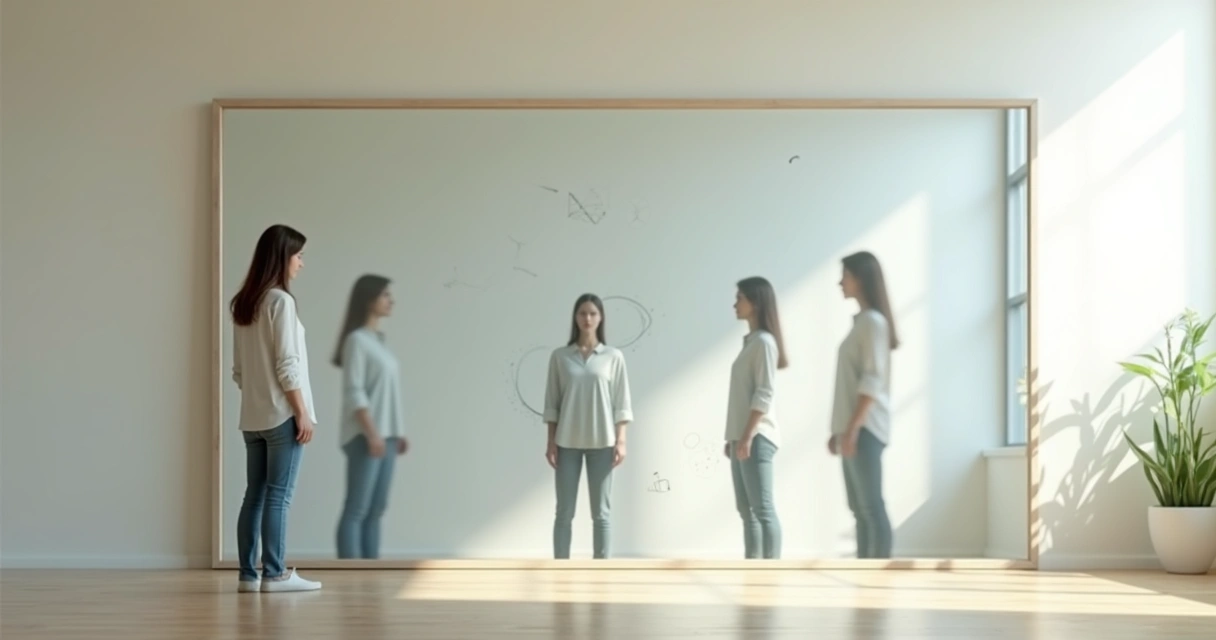
We all hold a picture of ourselves in mind. This picture shapes what we do, how we feel, and even what we believe is possible. Yet, our self-image can sometimes become blurry or outdated, especially as life moves on. If we are honest, it is easy to fall back on old stories about who we are, even when they do not serve our best interests. Transforming our lives at a deep level often begins not with a to-do list, but with an update to how we see ourselves. In our experience, these are the six key reasons why refreshing self-image unlocks real, lasting change.
Why self-image holds us back
We define self-image as the internal map of what we believe we are capable of, what we deserve, and where we fit in the world. This mental picture gets drawn over years, colored by family, culture, setbacks and successes. Sometimes, that picture is based more on old wounds or outdated roles than on our true potential.
Your self-image is like a filter that decides what you allow yourself to try—or even imagine.
Have you ever noticed how people with a strong, confident self-image seem more comfortable with change? Or how a negative self-image can keep someone stuck despite their talents? These observations match what we have seen time after time. Our self-image quietly shapes everything from relationships to health to work.
The six core reasons to update your self-image
1. Old self-images sabotage new goals
At the heart of it, real change cannot happen if we cling to outdated ideas of who we are. If we see ourselves as “not a leader,” making decisions like a leader feels awkward. If we still hold onto “I always fail at relationships,” we might unconsciously pull back from connection, even as we hope for something different.
Updating self-image means giving up past labels and welcoming new possibilities.
2. Growth depends on how we see ourselves
Many of us work on changing habits, setting goals, or adopting new mindsets. But unless our self-image changes, these efforts often stall. Why? If our internal picture says, “I am disorganized,” we resist acting like an organized person, even when we try.
Change sticks when our self-image supports it.
We have seen how people who revise their self-image—seeing themselves as adaptable, creative, or strong—make steady progress. The shift does not require perfection, only willingness to see ourselves in a new way.
3. Self-image shapes resilience
Resilience is about how we handle setbacks and stress. A rigid or negative self-image—such as “I am not good with stress” or “I am weak”—leaves us feeling powerless in tough moments. In contrast, when we update our self-image to include strengths and resourcefulness, our ability to bounce back improves.
Adapting our self-image provides inner resources during challenges.
This does not mean pretending challenges are easy, but it does unlock the feeling, “I can handle this. I am becoming someone who adapts and learns.”
4. Relationships mirror self-image
How we see ourselves shapes what we tolerate, seek, or avoid in other people. If our self-image is stuck around scarcity—“I am not lovable,” “I don’t fit in,” or “No one listens to me”—it influences how we show up. This can keep us in unhealthy patterns, or stop us from connecting authentically.
When we shift our self-image, relationships shift too. We have witnessed this transformation: as people’s self-image matures, their relationships become deeper and more honest.

5. Clarity and purpose emerge with a new self-image
People often ask how to find direction or meaning. In our research and experience, the answer frequently circles back to self-image. When we continue seeing ourselves through the eyes of old disappointments or fears, purpose remains cloudy.
Clarity about who we are and what matters to us often follows a renewed self-image.
As we realign our internal picture, interests, values, and sense of purpose begin to emerge naturally.
6. Greater self-compassion fuels steady progress
Many life changes stumble not because of failure, but due to harsh self-criticism. If we still view ourselves as weak, flawed, or “not enough,” we internalize every setback as a sign to give up.
Updating self-image means giving ourselves room to grow and make mistakes. We see ourselves as learners, not just as the sum of our past. Self-compassion then becomes a tool, not an obstacle, for real transformation.

The ripple effect of updating self-image
When we choose to update our self-image, we unlock fresh perspectives not only for ourselves but also for those around us. Friends notice the difference. Family members become curious. Sometimes, our shift inspires others to reevaluate their own stories.
We believe every person can update how they see themselves, no matter their history. It is not about erasing the past, but about choosing what to carry forward.
Updating your self-image is the beginning of real change.
Conclusion
In our view, self-image sits at the center of meaningful transformation. When we update our internal picture, we clear the way for growth, resilience, purpose, relationships, and compassion to take root. No single moment changes everything, but each time we refresh how we see ourselves, new possibilities emerge. The journey starts with a simple but powerful question: “Who am I willing to become now?”
Frequently asked questions
What is self-image and why update it?
Self-image is the mental picture we carry about ourselves—how we view our strengths, weaknesses, potential, and limitations. We update self-image to align with present realities, growth and aspirations, rather than being limited by outdated experiences or old labels.
How can I change my self-image?
Start by becoming aware of the stories you tell yourself and the ways they hold you back. Journaling, self-reflection, and seeking feedback can help. Then, practice new self-talk and take small actions that align with the updated picture. Gradually, supporting beliefs will replace old ones.
Is it worth it to update self-image?
Yes, updating self-image helps unlock growth, resilience, better relationships, and a truer sense of purpose. Changing self-image influences not only how we see ourselves but also how we approach challenges and opportunities.
What are signs I need self-image change?
Signs include repeating negative patterns, feeling stuck despite efforts, struggling with self-worth, or noticing that major life changes are blocked by inner doubts or limiting beliefs.
How long does self-image change take?
Changing self-image is a process that varies for each individual. Some shifts happen quickly when we have an “aha” moment, but deeper changes often take consistent attention over weeks or months, supported by new habits and self-compassion.