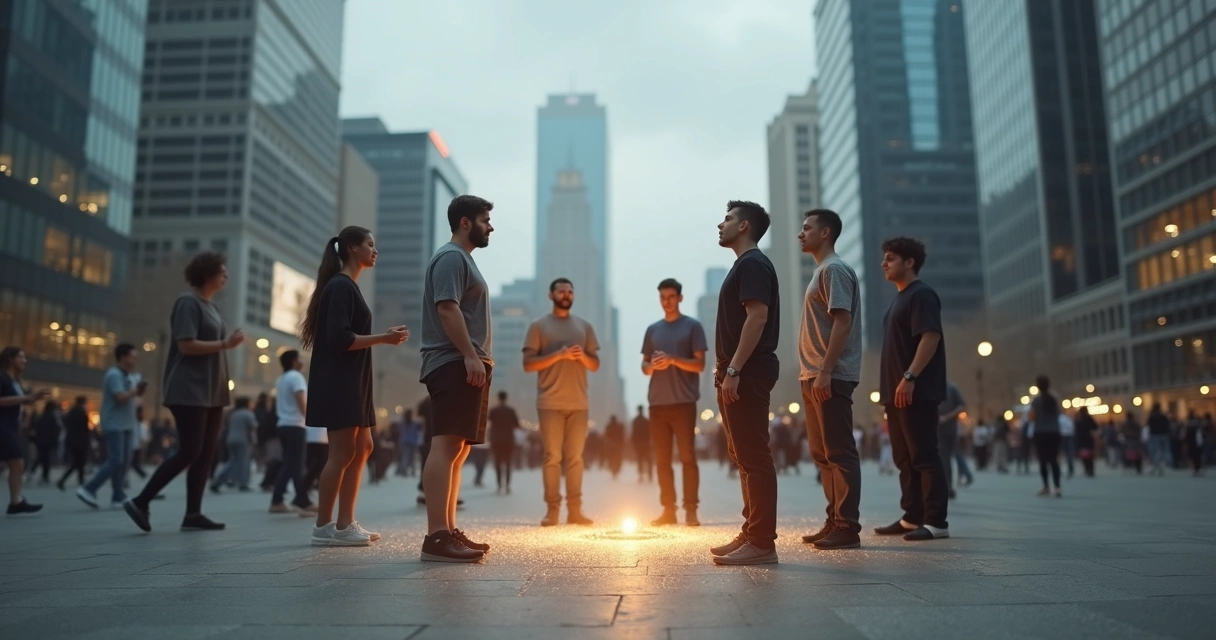
Social crises change the emotional climate of whole communities. We can feel it in our bodies before we fully name it. Sleep gets lighter. Messages arrive faster. People speak with more tension, more doubt, more urgency. What starts as individual stress can turn into collective anxiety, a shared state of alarm that spreads through homes, workplaces, schools, and digital spaces.
Collective anxiety grows when uncertainty is high, trust is low, and people feel they have no stable ground.
In our experience, this kind of anxiety is not only psychological. It is relational. It moves through groups by tone, rumor, images, repeated fear, and the sense that something bad may happen at any moment. During social crises, people often react in ways that seem irrational from the outside. Yet many of those reactions are attempts to regain control.
We have seen this in many forms. A family starts checking the news every ten minutes. A team meeting turns heavy, even when no one says why. Neighbors become more reactive. Small conflicts expand. The nervous system of the group starts to act as one tense field.
When fear spreads, clarity must spread too.
Regulating collective anxiety does not mean denying pain or forcing calm. It means helping people return to presence, discernment, and grounded action. This is a human task, and it begins with how we understand the emotional chain reaction.
Why collective anxiety spreads so fast
Human beings read each other all the time. We track voice, posture, speed, silence, and social signals. In a crisis, this ability becomes sharper. We look for danger and for cues about how to respond. If the environment offers confusion, contradiction, and overload, our minds fill the gaps with threat.
That is why collective anxiety can rise even among people who are physically safe in the moment. The body does not respond only to facts. It responds to perceived instability.
There are a few common drivers behind this spread:
Too much exposure to alarming information.
Mixed messages from authorities, leaders, or family members.
Isolation, which removes co-regulation and shared perspective.
Rumors and predictions presented as certainty.
Old personal fears that get activated by the present event.
We also need to look at the wider mental health context. According to global estimates on anxiety disorders from the World Health Organization, about 5.8% of the world population lives with an anxiety disorder, and only around 27.6% receive treatment. In a social crisis, that gap matters. Many people are already vulnerable before the crisis begins.
A group under pressure does not only need information. It needs emotional regulation.
How to restore a sense of safety
The first response to collective anxiety is not debate. It is stabilization. Before people can think clearly, they need to feel less internally threatened. This applies in homes, teams, communities, and online spaces.
We think of safety in three layers: body, relationship, and meaning. If one of them is neglected, anxiety keeps rising.
On the body level, we can reduce overstimulation. Lower noise. Slow speech. Shorten meetings. Encourage pauses between updates. A simple breathing practice at the start of a group conversation can change the whole tone. Not because it solves the crisis, but because it helps the nervous system stop acting as if every second were an emergency.

On the relationship level, we can create honest contact. During a crisis, people calm down when they feel seen without being judged. One sentence can shift the room: “We are feeling pressure, and we will move one step at a time.” It is simple. It works.
On the level of meaning, we can help people separate what is known, what is unknown, and what is imagined. Anxiety often grows in that third zone. When imagination takes command, fear multiplies.
Practical ways to regulate the group
Once some stability returns, we can apply clear practices that reduce contagion and support grounded action. We have found that the best methods are simple enough to repeat under stress.
Set times for updates instead of constant checking.
Use one trusted flow of information inside the group.
Name emotions without turning them into identity.
Focus on the next useful action, not the whole crisis at once.
Keep daily routines where possible, such as meals, sleep, and movement.
These steps may sound small. Still, they help because anxiety feeds on chaos, and rhythm helps restore order.
We once worked with a group that had become emotionally exhausted after days of tense news. People were interrupting each other, missing details, and assuming the worst. The turning point was not a grand speech. It was a reset. Fewer updates. Clear roles. Ten quiet minutes before discussion. By the third day, the room felt different. Not relaxed, but steadier. That matters.
People can face hard reality better when they are not flooded by it every minute.
The role of leaders, parents, and community figures
In any social crisis, emotional tone often follows the people who hold influence. They do not need to act perfect. They do need to act regulated. When leaders transmit panic, groups fragment. When they transmit false certainty, trust breaks later. A better path is calm honesty.
This means saying what is real without amplifying dread. It means leaving space for concern while protecting the group from emotional escalation. The same applies to parents. Children often borrow their sense of safety from adult presence. They notice facial tension, rushed speech, and avoidance more than long explanations.
Useful communication tends to include three elements:
What we know now.
What we are doing now.
When we will review again.
This gives people structure. And structure lowers fear.

How to reduce anxiety without denying pain
Some people fear that calming anxiety means becoming passive. We do not see it that way. A regulated group is more capable of wise action than a panicked one. Calm is not withdrawal. Calm is capacity.
There is also a trap on the other side: spiritual bypass, emotional suppression, or forced positivity. If people are told to “stay positive” while they feel real fear, they often shut down or disconnect. We need another approach. We can validate distress and still guide the group toward steadiness.
That may include:
Short moments of silence before decisions.
Shared language for emotional states, such as tense, overloaded, or unsettled.
Permission to step back from media for a few hours.
Peer support, especially for those living alone or carrying extra care burdens.
We think many people feel relief when they realize they do not need to choose between feeling and functioning. They can do both.
Conclusion
Collective anxiety during social crises is real, contagious, and deeply human. Yet it is not beyond regulation. When we slow the pace, reduce confusion, restore connection, and support the body as well as the mind, the emotional field of a group can change. Not instantly. But clearly.
To regulate collective anxiety, we need steady presence, honest language, and simple shared practices.
We may not control the crisis itself. We can still shape how we meet it together. And sometimes that is what allows a community to remain humane under pressure.
Frequently asked questions
What is collective anxiety in social crises?
Collective anxiety is a shared state of fear, tension, or alarm that spreads through a group during unstable events. It appears when uncertainty rises and people absorb stress from each other through conversation, media exposure, and social signals.
How to calm anxiety during a crisis?
We can calm anxiety during a crisis by slowing the flow of alarming input, keeping routines, using breathing or grounding practices, and focusing on one clear step at a time. It also helps to speak with people who are calm, honest, and supportive.
What are the best coping strategies?
The best coping strategies include limiting repetitive news exposure, sleeping well, moving the body, staying connected to trusted people, naming emotions clearly, and keeping a simple daily structure. Group check-ins with clear boundaries also help lower emotional overload.
Can collective anxiety be prevented?
It cannot always be fully prevented, because social crises affect whole communities. Still, we can reduce its spread by building trust, improving communication, teaching emotional regulation, and creating supportive environments before high stress arrives.
Where to get support for anxiety?
Support can come from mental health professionals, community services, support groups, health systems, and trusted local networks. If anxiety starts to impair sleep, work, relationships, or daily functioning, seeking professional care is a wise next step.