
Many adults think their beliefs are fixed. We do not see it that way. In our experience, belief habits can change when we work with the brain, the body, and repeated action at the same time.
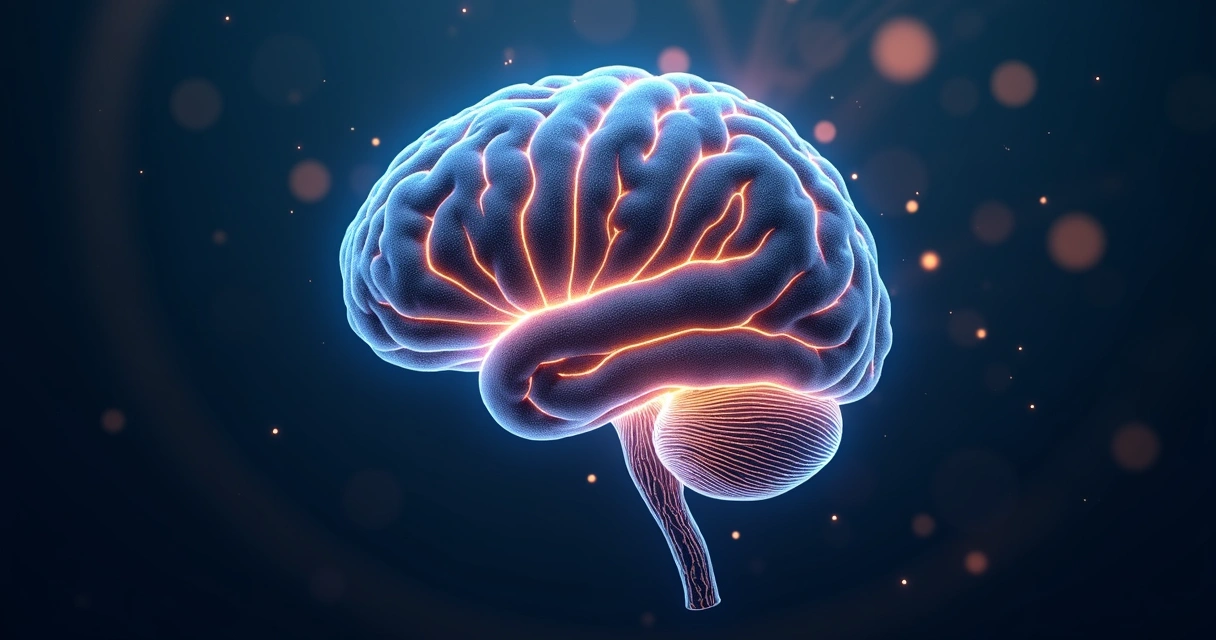
Neuroplasticity is the brain’s ability to form new pathways through practice, attention, and experience. This does not mean change is instant. It means change is possible.
Beliefs are not just ideas. They are repeated mental and emotional patterns.
A person may say, “I always fail,” without noticing how often that sentence guides choices. Then the person avoids risk, delays action, and reads neutral events as proof of weakness. The belief feels true because it keeps producing matching results.
We have seen this happen in quiet ways. Someone walks into a room already expecting rejection. Another starts a project already expecting confusion. Small reactions build a familiar identity. Day after day, the brain learns the same route.
What repeats, stays.
The good news is that the same brain can learn a new route. Adults still have plasticity. We can reshape belief habits, but only if we stop treating them like abstract thoughts and start treating them like trained patterns.
Why belief habits feel so strong
Beliefs stay in place because they are linked to emotion, memory, and behavior. If a belief was formed during stress, shame, or fear, the brain may store it as a protective rule. Even when life changes, the old rule may keep running.
This is why logic alone often fails. We may know a belief is false, yet still react as if it were true. The nervous system learned the pattern before the reflective mind could question it.
Some signs of a belief habit are easy to spot:
We keep telling the same story about ourselves.
We react fast, before thinking clearly.
We expect the same bad outcome in different settings.
We choose familiar discomfort instead of new growth.
Adult change begins when we identify the belief not as identity, but as conditioning.
How neuroplasticity helps us change
Neuroplasticity works through repetition with meaning. The brain changes when we pay attention, feel involved, and act consistently. A new belief does not become stable because we say it once. It becomes stable because we practice a different way of perceiving and responding.
This is where many people get frustrated. They try one affirmation, one journal page, or one insight and expect deep change. Then nothing moves. We think the better approach is simpler and more honest: small shifts, repeated often.
There are three forces that help create a new pathway:
Clear awareness of the old pattern.
Emotional regulation during the change process.
Repeated action that confirms the new belief.
Without action, the new belief stays theoretical. Without regulation, stress pulls us back to the old route. Without awareness, the pattern stays hidden.

Steps to reshape belief habits
We can work with neuroplasticity in a practical sequence. The steps below are simple, but they ask for honesty and repetition.
1. Name the belief with precision
Do not start with a vague wish. Start with the exact belief habit. Write it in one sentence, using the words that really appear in your mind. For example: “My voice does not matter,” or “If I make a mistake, I will lose respect.”
Precision helps because the brain changes specific patterns, not broad intentions.
2. Trace where it shows up
Next, notice where this belief appears in daily life. We suggest tracking it for a week. Look at work, relationships, money, health, and inner dialogue. Many people are surprised. The same belief often appears in several places.
This tracking may include:
The trigger that starts the thought.
The emotion that follows.
The body reaction, such as tension or shallow breathing.
The behavior that comes next.
A belief habit becomes easier to change when we can see its full loop.
3. Interrupt the automatic response
This step is short, but powerful. When the old belief activates, pause before acting on it. Breathe slowly. Relax the jaw, shoulders, or hands. Give the nervous system a signal of safety.
We are not trying to force positive thinking. We are stopping automatic repetition. That pause creates room for a different choice.
Pause changes direction.
4. Build a believable replacement thought
A replacement belief must feel real enough to practice. If the old belief is “I always fail,” saying “I am perfect at everything” will often create inner resistance. The brain rejects what feels false.
A better bridge thought might be, “I can learn through mistakes,” or “I am becoming more capable with practice.” These statements are steady, honest, and easier to embody.
We think this is one of the most overlooked points in personal change. The new belief must be credible.
5. Pair the new belief with action
The brain trusts evidence. So each new belief needs behavior that supports it. If we want to build the belief “My voice matters,” we may speak once in a meeting, express one clear boundary, or share one honest opinion.
Action does not need to be large. It needs to be repeatable.
Useful examples include:
Sending the message you usually delay.
Asking one direct question instead of staying silent.
Starting a task before feeling fully ready.
Staying present during mild discomfort without escaping it.
6. Repeat in calm and stressed states
This is where change becomes deeper. A new belief should be practiced not only when we feel calm, but also when life puts pressure on us. Otherwise, the old pathway returns as soon as stress rises.
At first, this feels uneven. One day we respond well. The next day we react the old way. That is normal. Rewiring is rarely linear.
What helps the process work better
Some conditions make belief change easier. We have noticed that adults progress more steadily when they support the whole system, not just the thinking mind.
Regular sleep helps learning settle into the brain.
Mindful breathing reduces reactivity.
Journaling makes hidden patterns visible.
Supportive relationships reinforce new identity.
Consistent routines reduce mental noise.
Neuroplasticity responds well to consistency, emotional safety, and lived proof.
There is also a quiet factor that matters a lot: patience. Many adults judge themselves during the process. They say, “I thought I had changed.” Then one old reaction returns, and they feel defeated. We see it differently. A setback is often part of the training, not proof of failure.
Conclusion
Belief habits can be reshaped in adulthood because the brain keeps learning from repeated inner and outer experience. When we name the old pattern, calm the body, choose a believable new thought, and act on it often, new pathways begin to form.
Change is not built by one dramatic insight. It is built by many clear moments. A pause. A better sentence. A different response. Then another. And another.
If we treat beliefs as trainable patterns instead of fixed truth, we open the door to lasting inner change.
Frequently asked questions
What is neuroplasticity in adults?
Neuroplasticity in adults is the brain’s ability to change its connections through learning, experience, attention, and repetition. Adult brains can still form new pathways, which means habits, emotional reactions, and belief patterns can shift over time.
How can I change belief habits?
We can change belief habits by identifying the old belief, noticing when it appears, interrupting the automatic reaction, choosing a more believable replacement thought, and repeating actions that support the new pattern. The process works better when we stay consistent.
Is neuroplasticity training effective for adults?
Yes, neuroplasticity training can be effective for adults when it includes repeated practice, emotional regulation, and real-life behavior change. Results usually improve when the new pattern is practiced often and linked to meaningful daily situations.
How long does it take to reshape beliefs?
The time varies from person to person. Some people notice small shifts in a few weeks, while deeper belief habits may take months of steady practice. The strength of the old pattern, stress level, and consistency of practice all affect the pace.
What are simple steps to start?
Simple steps to start are writing down one limiting belief, tracking when it appears, pausing to regulate the body, creating a realistic replacement thought, and taking one small action each day that supports the new belief. Small repeated actions often lead to steady change.