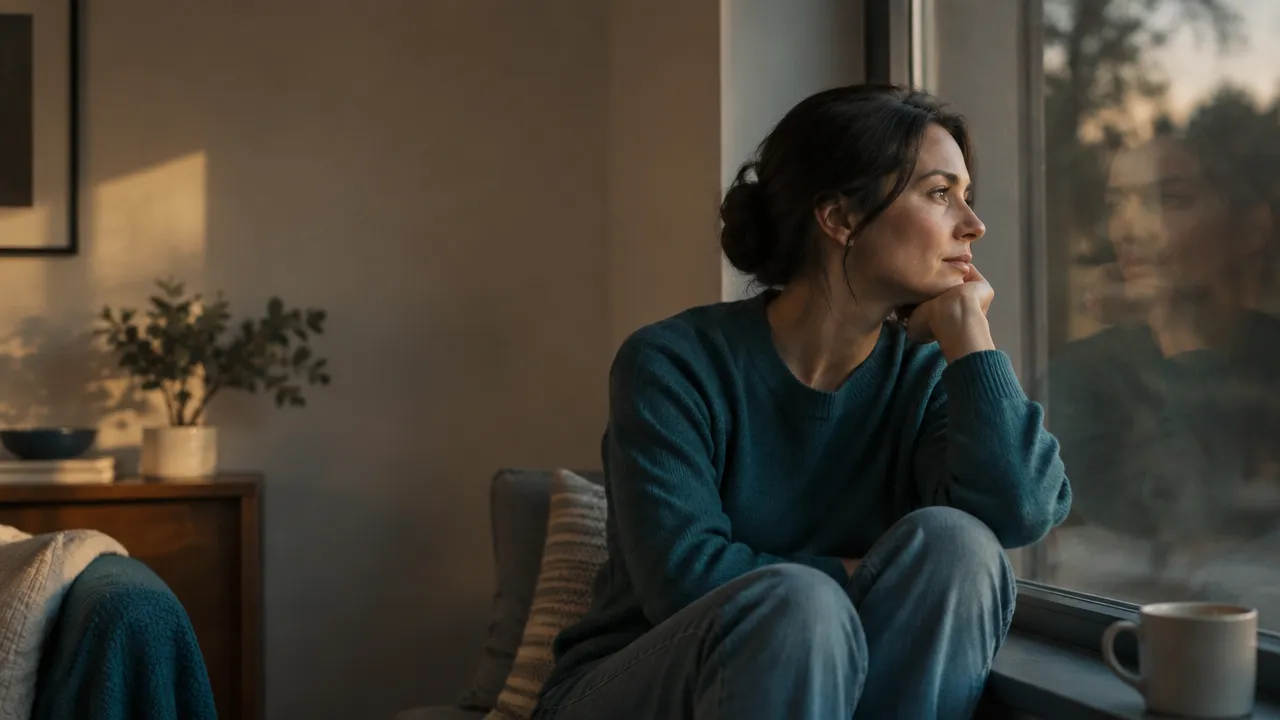


When a year ends, many of us feel two things at once. Relief. And pressure.
We want to close one cycle well and start the next one with meaning. Yet many endings stay unfinished inside us. Old grief lingers. Promises fade. A new calendar arrives, but our inner state stays the same.
Conscious rituals help us mark change so the mind, body, and emotions can move together.
That is why rituals still matter. In our experience, they give form to moments that might otherwise pass too fast. This is not about superstition. It is about attention, memory, and intention. A study on rites of passage and mental health found that structured transition experiences were linked to better mental health and coping skills. When life changes are marked with care, people often feel more grounded.
The same pattern appears in the turn of the year. A 2024 survey on New Year’s resolutions showed that many people still use this period to reset direction. The desire is real. What often fails is not the wish, but the lack of a deeper process.
Below, we share seven rituals for conscious endings and new beginnings in 2026. They are simple, human, and strong enough to be remembered.
1. Create a space for closure
Before we begin again, we need to end well. We suggest setting aside one quiet hour with no screens, no rush, and no noise competing for your attention.
Light can help. A candle, morning sun, or a calm room is enough. What matters is that the space feels set apart from ordinary life.
We once saw how a simple chair by a window changed the tone of an entire reflection practice. The person sat down, took one breath, and said, “Now it feels real.” That is the point.
An ending needs a place.
In this first ritual, do three things:
Choose a time when you will not be interrupted.
Bring a journal, paper, or a blank page.
Remove objects that pull your mind into unfinished tasks.
This small preparation tells the nervous system that something meaningful is happening.
2. Name what ended
Many people try to celebrate a new beginning without naming what is over. We think this is one reason fresh starts feel weak. If we do not name the ending, part of us stays tied to it.
Write down what truly ended in 2025. Not only events, but also identities, roles, and expectations.
You may write things like:
A way of working that no longer fits.
A relationship pattern we no longer want to repeat.
A fear that shaped too many choices.
An image of ourselves that has become too small.
What we can name, we can release with more honesty.
This ritual can feel emotional. Good. Endings are not only mental. They live in the body too. If tears come, let them come. If anger comes, write with care and clarity. The goal is not drama. The goal is truth.

3. Practice a ritual of gratitude and grief
Endings carry mixed emotions. We lose something, even when the change is good. So this ritual invites two lists, not one.
On one page, write what you are grateful for from the past year. On another, write what hurt, disappointed, or exhausted you.
Do not cancel one with the other. Gratitude without grief becomes shallow. Grief without gratitude becomes heavy.
We have found that this pairing creates emotional balance. It helps us avoid false positivity and also prevents us from seeing the whole year through pain alone.
After both lists are complete, read them aloud slowly. Then say, “This too was part of my path.”
A conscious ending makes room for both thanks and sorrow.
4. Return what is not yours to carry
Some burdens we carry are not fully ours. They come from family roles, social pressure, old loyalty, or guilt that stayed too long.
This ritual is simple and strong. On small pieces of paper, write down the weights you no longer want to carry into 2026. Fold each one. Place them in a box, bowl, or envelope.
Then, one by one, say: “I acknowledge this. I release this.”
If it helps, you may tear the papers after reading them. The physical act matters. The body understands gestures before the mind finishes the sentence.
We do not suggest rushing this part. Some phrases may come quickly. Others may catch in the throat. Stay with them a little longer.
5. Choose one word for 2026
Many goals fail because they are too many, too vague, or too far from who we are becoming. A guiding word can bring unity to our choices.
This is not a slogan. It is a compass.
Your word might be “clarity,” “courage,” “repair,” “discipline,” “peace,” or “truth.” We suggest choosing a word that calls you into growth, not comfort alone.
Ask yourself:
What quality do we need most right now?
What inner posture would change our year?
What word feels demanding in a healthy way?
Write the word where you will see it often. On paper. On a desk. Inside a notebook. A good ritual becomes part of daily life, not just one evening in December or January.
One word can steady a whole year.
6. Make a crossing action
A new beginning becomes stronger when we mark it with action. Not a huge action. A clear one.
This ritual asks us to do one visible thing that represents crossing into 2026 on purpose. It might be taking a first walk at sunrise, entering the year in silence, cleaning one room, planting something, or sending one honest message that has been delayed.
The action should be symbolic, but also real.
We once heard of someone who placed worn shoes at the door on the last night of the year and put on a new pair at dawn before walking outside. It was simple. But they never forgot it.
Ritual becomes stronger when intention is joined by movement.

7. Speak your beginning out loud
The final ritual is voice. We think beginnings gain force when they are spoken clearly. Silence has its place, but words can shape commitment.
Stand up. Breathe. Then say, out loud, what you are entering.
You can use a structure like this:
I am leaving behind...
I am learning to...
In 2026, I choose...
Keep it short. Keep it honest. If you live with others, this can be done in a small circle. If you are alone, your own witness is enough.
There is something powerful in hearing our own voice say what the heart already knows.
Conclusion
Conscious endings and new beginnings do not ask for perfection. They ask for presence. When we pause, name what ended, feel what was lived, release what no longer belongs, and speak a new direction, the turn of the year becomes more than a date.
It becomes a threshold.
We believe 2026 can begin with more clarity if we stop treating transition as a rush. A ritual does not solve everything. But it can change the way we enter what comes next. Sometimes that is enough to shift a whole year.
Frequently asked questions
What are conscious ending rituals?
Conscious ending rituals are intentional practices that help us close a cycle with awareness. They may include reflection, writing, silence, symbolic actions, or spoken words. Their purpose is to help the mind and emotions recognize that something has finished.
How do I start a new beginning?
We suggest starting with honesty. First, recognize what has ended. Then choose a clear intention for what comes next. A simple ritual, such as selecting one guiding word or taking one symbolic action, can help make the new beginning feel real and grounded.
Are these rituals suitable for everyone?
In general, yes. These rituals are flexible and can be adapted to different beliefs, ages, and life situations. Each person can shape them in a way that feels respectful, calm, and meaningful.
When is the best time to practice rituals?
The best time is when you can be present and undisturbed. Many people prefer the last days of the year or the first days of January, but any transition point can work well. What matters most is attention, not the exact date.
Can I do these rituals alone?
Yes. Many conscious rituals work very well in solitude. In fact, being alone can help us hear our own thoughts more clearly. If you prefer, you can also share some of them with trusted people, but it is not required.